
Property Records Rancho Cucamonga
Property records for Rancho Cucamonga are kept at the San Bernardino County Assessor-Recorder-County Clerk office. Rancho Cucamonga sits in the southwest part of San Bernardino County and has close to 180,000 people. All deeds, liens, and tax records for homes and land in Rancho Cucamonga go through the county system. The main office is in San Bernardino, but you can also get help through online tools. The county tracks every sale, lien, and tax bill for properties in this city. Most records are public, so anyone can look them up. You can search by owner name, address, or document number. Many residents use the county website to check property data from home before they visit in person.
Rancho Cucamonga Quick Facts
San Bernardino County Property Records
Rancho Cucamonga property records are filed and kept by San Bernardino County. The county recorder office logs every deed and lien that affects land in the city. When you buy a home in Rancho Cucamonga, the grant deed gets sent to the county. It is stamped with a date and time. That stamp sets the priority if two people claim the same property.
The San Bernardino County Assessor-Recorder-County Clerk is at 222 West Hospitality Lane in San Bernardino. The office handles all property record needs for Rancho Cucamonga and the rest of the county. You can visit Monday through Friday from eight in the morning to five in the afternoon. Call 909-387-8306 to reach the recorder section. For assessor questions, dial 909-387-8307 instead.
Online searches work well for most needs. Go to arcselfservice.sbcounty.gov to use the Self-Service Portal. The system has an index of documents from 1958 to today. You can search by name, date, or document type. Images are there for most records. You can view them for free or pay to download official copies.
| Office | San Bernardino County Assessor-Recorder-County Clerk |
|---|---|
| Address | 222 W. Hospitality Lane San Bernardino, CA 92415 |
| Phone | Recorder: 909-387-8306 Assessor: 909-387-8307 |
| Hours | Monday through Friday, 8:00 AM to 5:00 PM |
| Website | arcselfservice.sbcounty.gov |
What Property Records You Can Find
Grant deeds show who owns a home or lot. When someone sells property in Rancho Cucamonga, they sign a grant deed. The new owner takes that deed to the county to record it. The deed becomes part of the public file. Anyone can look it up later to check who owns what.
Trust deeds work like loans. If you borrow money to buy a house, the lender files a trust deed. This deed gives the bank a claim on your property until you pay off the loan. Once you finish paying, the bank files a reconveyance to remove the claim. These papers are all on file at the county recorder.
Liens attach to property when someone owes money. A contractor who did not get paid may file a mechanic lien. The IRS can file a tax lien if you owe federal taxes. The state can do the same. All these liens show up in the public record for your Rancho Cucamonga property. You must pay or settle the lien before you can sell with a clear title.
Common property records in Rancho Cucamonga include:
- Grant deeds and quitclaim deeds
- Deeds of trust and reconveyances
- Mechanic liens, tax liens, and judgment liens
- Notices of default and trustee sales
- Property tax bills and payment history
Note: Most documents are indexed within one business day after they arrive at the county recorder office in San Bernardino.
Rancho Cucamonga Property Tax Records
Property taxes in Rancho Cucamonga are based on the assessed value of your home or land. The county assessor sets that value each year. Under Proposition 13, the assessed value can go up by no more than two percent per year unless the property sells. When you buy a home, the assessor resets the value to what you paid. That new value becomes the base for your tax bill.
The San Bernardino County Treasurer-Tax Collector sends out property tax bills twice a year. The first installment is due November 1 and becomes late on December 10. The second is due February 1 and late on April 10. A ten percent penalty hits if you pay after the due date. After June 30, unpaid accounts go to the defaulted roll and face more fees plus monthly interest at one and a half percent.
You can pay your Rancho Cucamonga property taxes online at mytaxcollector.com. The site lets you search by address or parcel number. You can see your current bill and past payment history. Payments by eCheck are often free, but credit and debit cards come with a fee. Check the site for the exact rate before you pay.
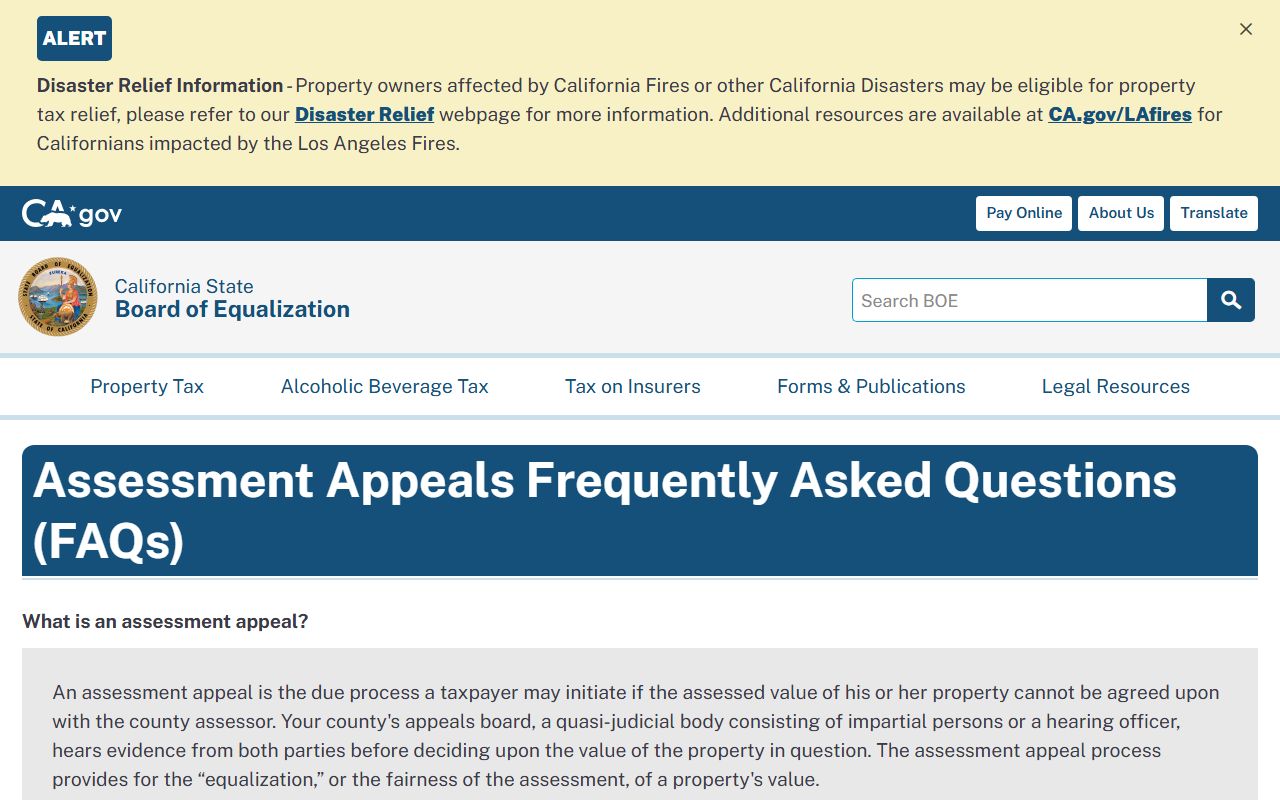
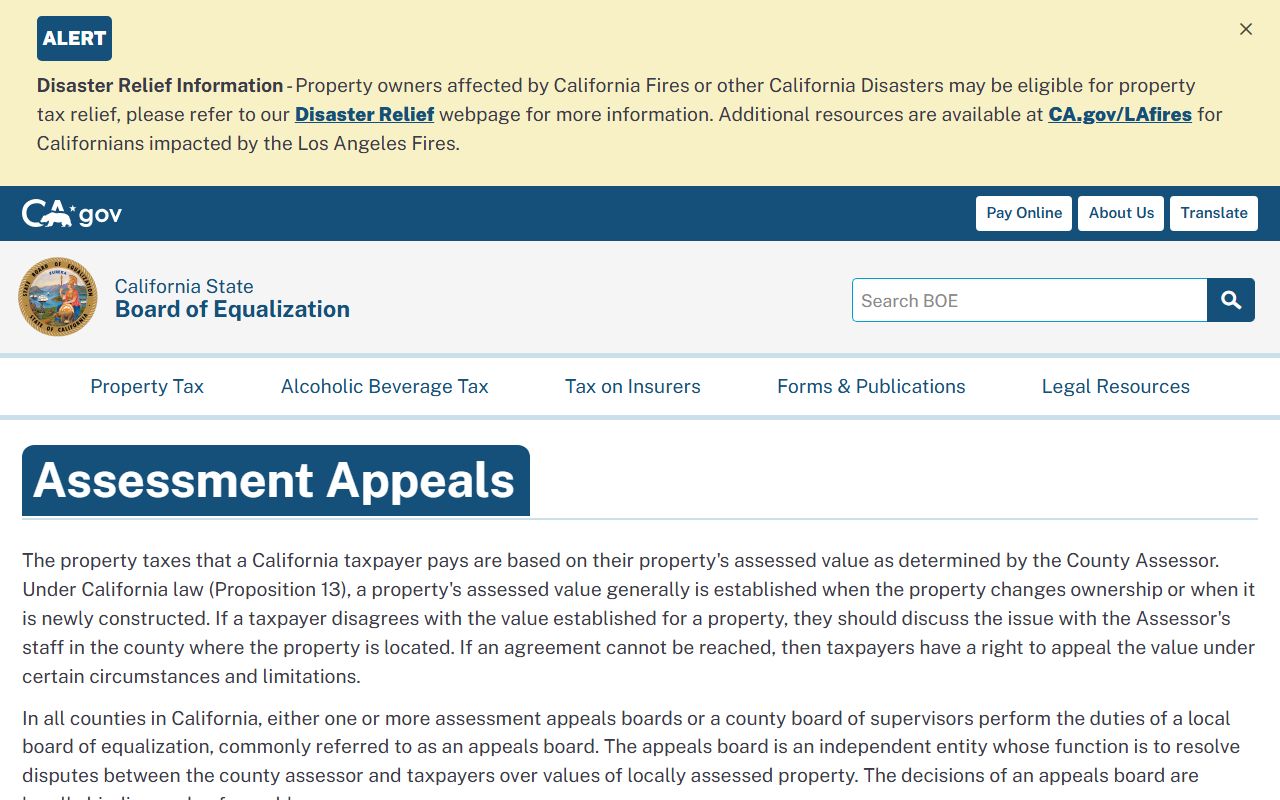
If you think your property value is too high, you can file an appeal with the county Assessment Appeals Board. The filing period runs from July 2 to September 15 each year for regular appeals. You need to show why you believe the assessed value is wrong. The board will schedule a hearing and decide if your value should be lowered. More info is at the California State Board of Equalization site, boe.ca.gov/proptaxes/faqs/assessappeals.htm.
How to Search for Rancho Cucamonga Property Records
Start with the San Bernardino County Self-Service Portal. Go to arcselfservice.sbcounty.gov and pick the search type you need. You can search by owner name, address, or document number. Type in the info and hit search. The system will show a list of matching records.
Click on a record to see more details. You can view images of the actual documents for free. If you need an official copy, you can download it for a fee. The county charges per page. First page is three dollars. Each extra page is one dollar. Certification adds another dollar per page if you need a stamped copy.
Assembly Bill 1785 removed the ability to search by Assessor Parcel Number online. This law took effect in December 2024. If you need to search by APN, you must visit the recorder office in person or use a public kiosk. The kiosks are at the main office in San Bernardino and may be at other county locations. Call ahead to check where the kiosks are before you make the trip.
For property tax info, use the Tax Collector portal at mytaxcollector.com. Enter your address or APN to find your bill. You can also search by owner name in some cases. The site shows what you owe, what you paid, and when the next payment is due. You can pay right there with a card or eCheck.
Fees for Recording Property Documents
Recording a deed in Rancho Cucamonga costs about one hundred dollars or more depending on the document. The base state fee is fifteen dollars for the first page and four dollars for each added page. Senate Bill 2 adds seventy-five dollars to most real estate transfers. This fee funds affordable housing programs across California. Some documents are exempt from SB2, like reconveyances or certain family transfers.
San Bernardino County also charges extra fees. There is a fraud prevention fee and other add-ons. The exact total depends on how many pages your document has and what type it is. Call the recorder office at 909-387-8306 before you file to get a quote for your specific document.
Copy fees are much less than recording fees. Plain copies cost three dollars for the first page and one dollar for each extra page. Certified copies add one dollar per page. If you order copies by mail, include a check for the right amount plus a self-addressed stamped envelope. Processing can take one to two weeks by mail.
Note: Fees can change, so check the county website or call before you send payment to make sure you have the right amount.
City of Rancho Cucamonga Building and Planning
The City of Rancho Cucamonga handles building permits and planning for new construction. These records are separate from property ownership records. If you want to build an addition or check permits for a home, contact the city Building and Safety Department. Their office is at city hall. They can tell you what permits were issued for a property.
Visit cityofrc.us/community-development/building-safety for info on building permits in Rancho Cucamonga. The city has an online permit center where you can track permits and see what was filed. Call 909-477-2710 to ask questions about permits or inspections.
Planning records show zoning and land use for properties in Rancho Cucamonga. The city Planning Department keeps these files. If you want to know what you can build on a lot, or if a property has special restrictions, check with the Planning Division. Their records tell you the zone, allowed uses, and any conditions on the land. This info helps when you are buying property or starting a project in Rancho Cucamonga.
California Laws on Property Recording
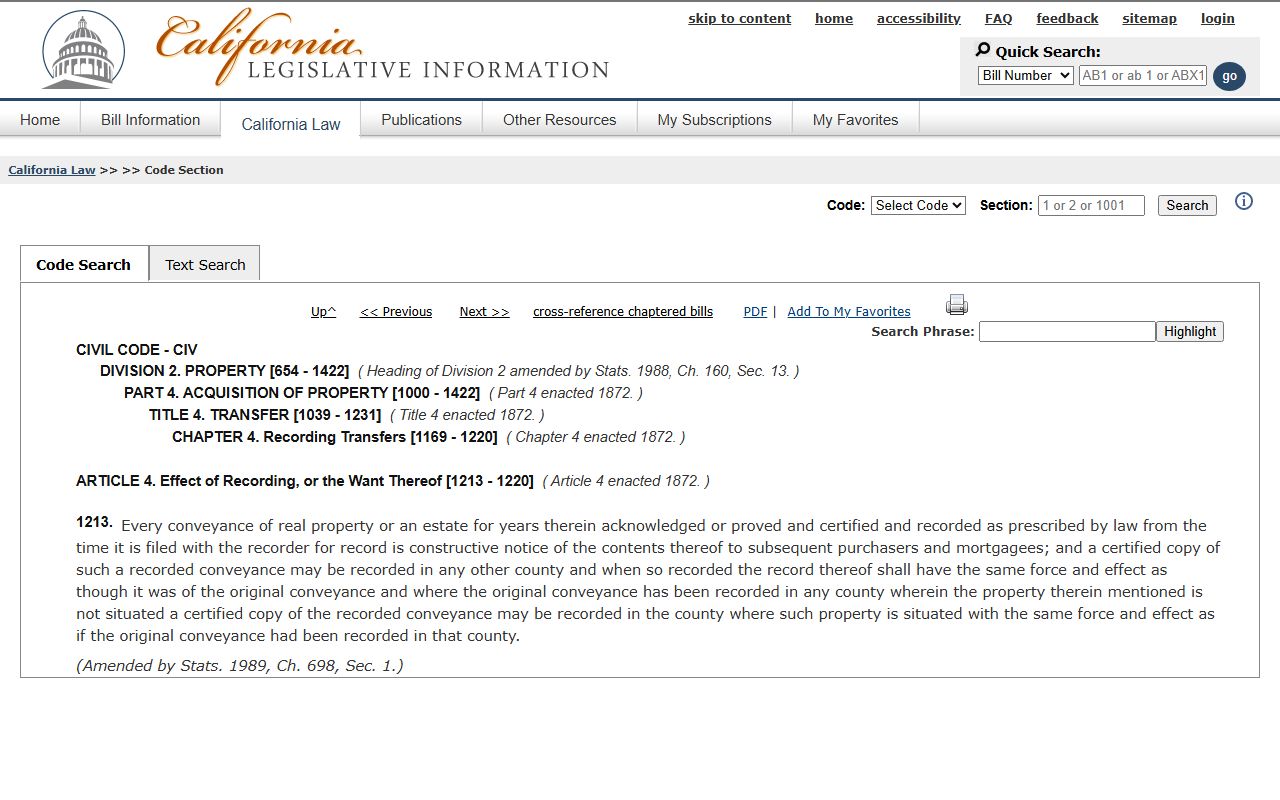
California Civil Code section 1213 says that recorded documents give notice to everyone. If you record your deed at the county, later buyers cannot claim they did not know you owned the property. The law protects people who record first. Visit leginfo.legislature.ca.gov to read the full text of Civil Code 1213.
Civil Code section 1214 sets the race-notice rule. If two people buy the same property, the one who records first wins. This rule only works if the second buyer did not know about the first sale. Recording your deed right after you buy protects your claim on property in Rancho Cucamonga.
Government Code section 27320 tells the county recorder what to do when you bring in a document. The recorder must stamp the date and time on it. That timestamp shows when your document was filed. The recorder also checks that your paper meets format rules. It must be on standard size paper with clear text and enough margin space. If it does not meet the rules, the recorder can send it back.
Revenue and Taxation Code section 60 defines change in ownership for tax purposes. When you buy property in Rancho Cucamonga, the assessor resets the value to what you paid. This is a change in ownership under Proposition 13. Some transfers do not trigger reassessment, like gifts between parents and children or moves into certain types of trusts.
Nearby California Cities
Other cities in San Bernardino County with property records include San Bernardino, Fontana, Ontario, and Victorville. All of these cities use the same county recorder and assessor system. If you own property in more than one city in the county, you search them all through the San Bernardino County portal.
Nearby cities in other counties like Los Angeles County or Riverside County have their own county systems. Each county runs its own recorder and assessor office. You need to search each county separately if you want records from multiple places.
San Bernardino County Property Records
Rancho Cucamonga is part of San Bernardino County. All property recording and assessment for the city goes through the county offices. For more details on county services, office locations, online portals, and fees, visit the San Bernardino County property records page.