
Find California Property Records
Property records in California track who owns land and real estate across the state. Each of the 58 counties keeps its own set of records. County recorders store deeds and liens. County assessors track property values and tax bills. You can search these files online through county websites or visit offices in person. Most records are free to view. Some counties charge fees for copies or certified documents. California law says most property records are open to anyone who wants to see them.
California Property Records Overview
Where California Stores Property Records
County recorders maintain the main property files. They keep deeds, trust deeds, and liens for every piece of land in their county. When you buy a home, the deed gets filed at the recorder office. That deed stays on file forever. Liens show up there too. A lien could be from a bank, a contractor, or the IRS. All these papers are kept by the county recorder.
County assessors handle property values and tax rolls. The assessor sets the value of each parcel every year. This value decides how much tax you pay. Assessors keep maps that show lot lines and parcel numbers. They also track who owns what. You can search by owner name or address in most counties. Some assessor offices link their data with the recorder so you can see both types of info in one place.
Each county has a tax collector who takes in property tax bills. Tax collectors publish lists of who paid and who has not paid yet. If taxes go unpaid for too long, the property may go to auction. Tax sale lists are public. You can view them on county websites or at the tax collector office. Most counties post tax bills online so you can pay from home.
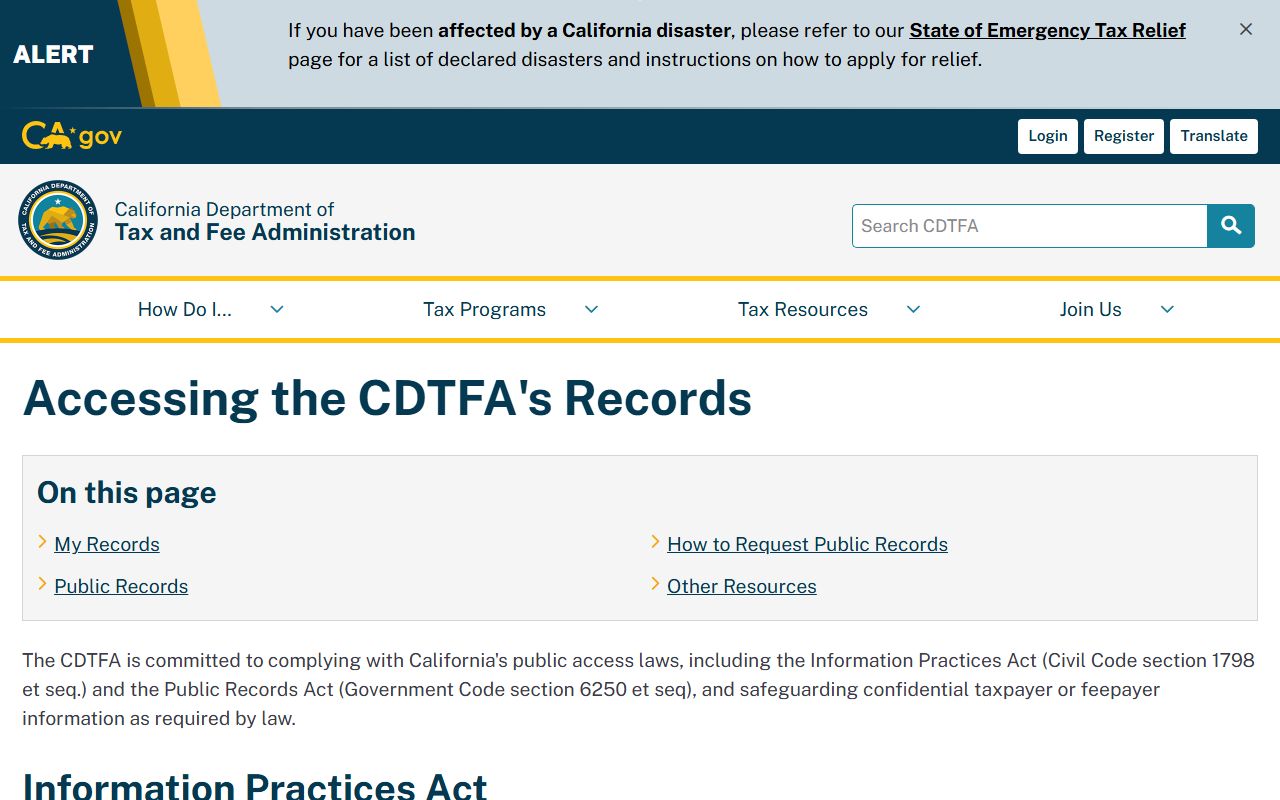
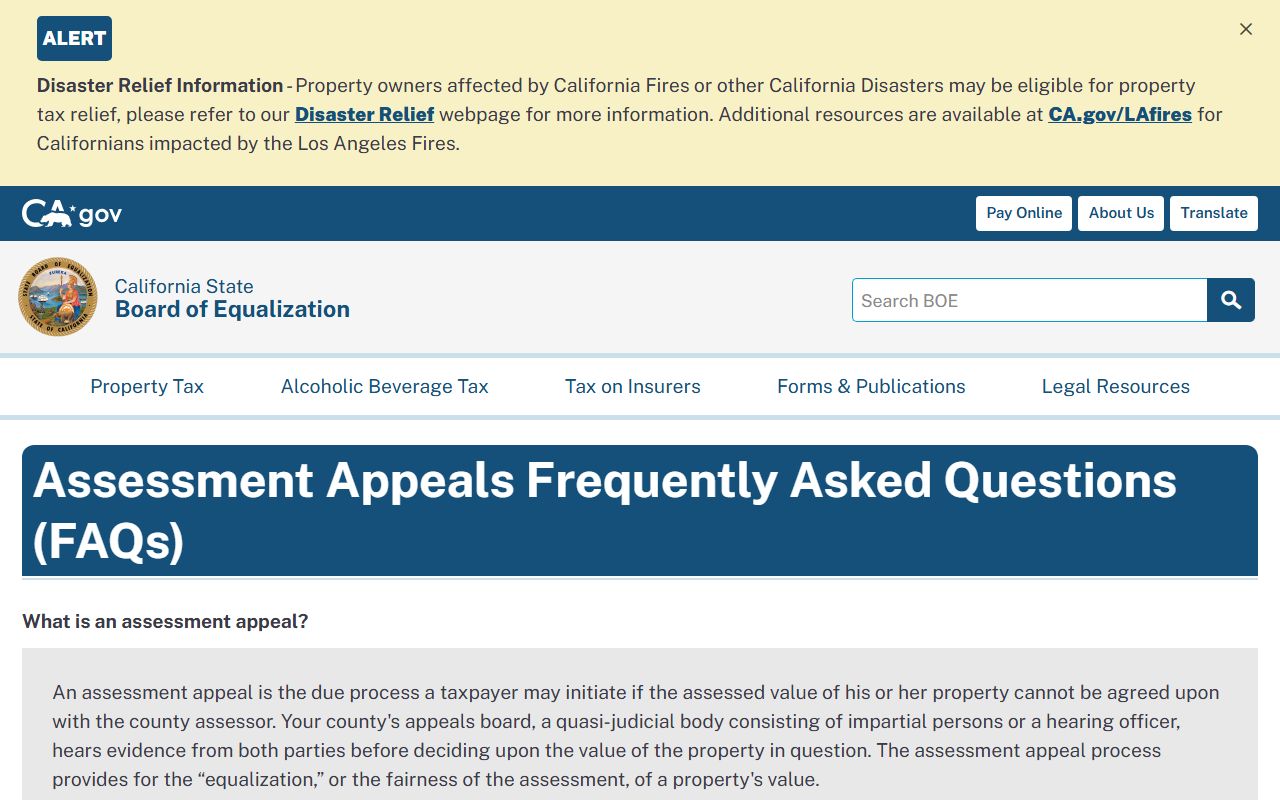
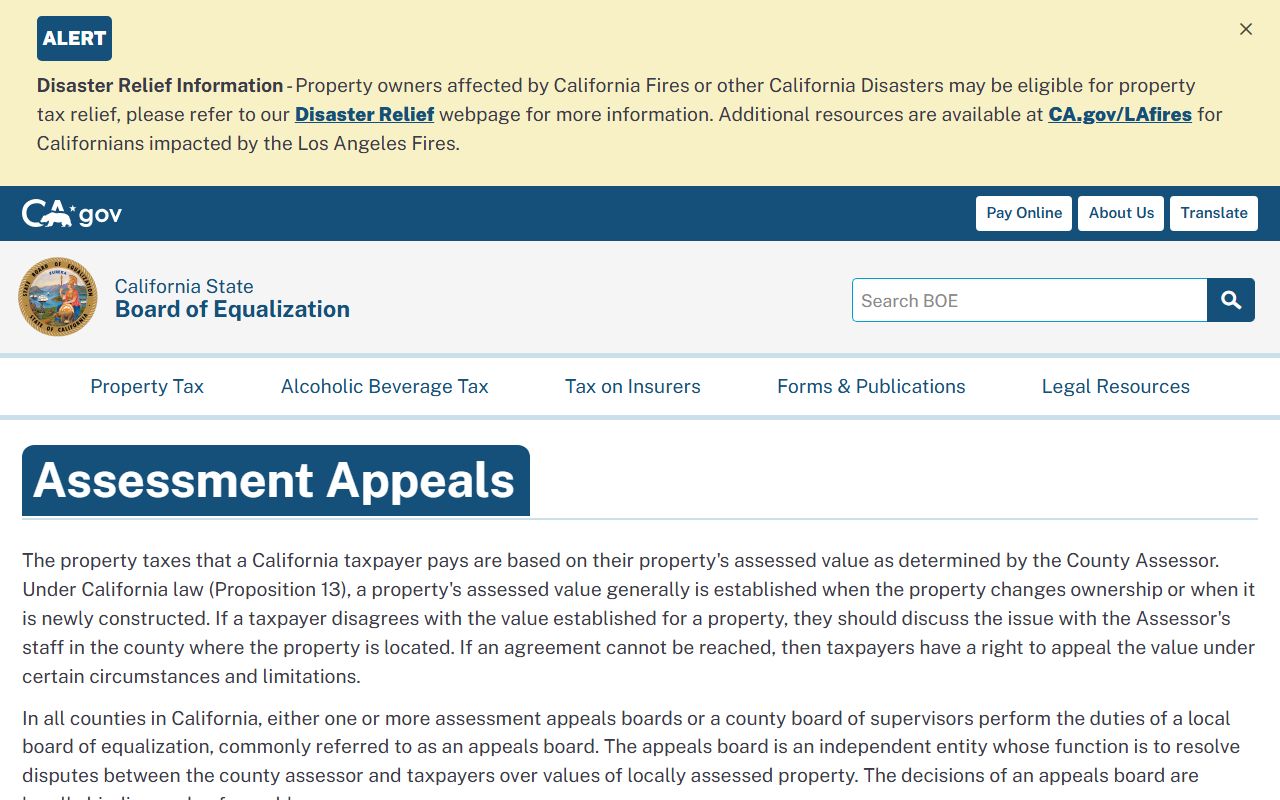
State agencies also hold some property data. The California Secretary of State tracks UCC liens on business assets. The State Board of Equalization handles property tax appeals. If you disagree with your tax bill, you file an appeal with the county board. The state board sets rules for how appeals work. The California Department of Tax and Fee Administration offers tools to look up tax rates by address.
How to Search Property Records Online
Most California counties have online portals for property searches. You can look up deeds, liens, and tax info from your home computer. Each county runs its own system. Some counties use software like Tyler Host or RecorderWorks. Others built custom search tools. The layout varies by county, but most let you search by name, address, or parcel number.
Los Angeles County does not offer online deed searches. You must visit the Registrar-Recorder office in person or call to request copies. The Los Angeles County Assessor has an online property search tool at portal.assessor.lacounty.gov. You can find property values and tax data there. For recorded documents, you need to go to one of their branch offices in Norwalk, Beverly Hills, Lancaster, or Van Nuys. Copy fees start at $5 for plain copies and $6 for certified ones.
San Diego County has a full document search at the Assessor Recorder County Clerk website. Visit sdarcc.gov to start. Note that Assembly Bill 1785 removed APN searches from online systems as of December 2024. You can still search by name or document number online. If you need to search by parcel number, you must use an in-person kiosk at one of their offices in San Diego, Chula Vista, San Marcos, or Santee.
Orange County offers a grantor and grantee index at cr.occlerkrecorder.gov/RecorderWorksInternet. This index lets you find who sold or bought property. Type in a name and the system shows all deeds that person signed. The Orange County Assessor has a separate site for tax data at assessedvalue.ocassessor.gov. You cannot search by owner name there due to state privacy law. You need an address or APN instead.
San Francisco offers a combined search tool at recorder.sfgov.org. The system covers documents back to 1996 with images available for most years. Older records require a visit to City Hall Room 190. The Treasurer Tax Collector posts all tax bills online, and you can pay with eCheck for free or by card with a small fee.
Smaller counties often use third-party systems. Many use Tyler Technologies software for their recorder search. Others use ParcelQuest for assessor data. Some counties share a single vendor across multiple offices. This means the search interface may look the same in several counties even though each keeps its own files.
Types of Property Documents in California
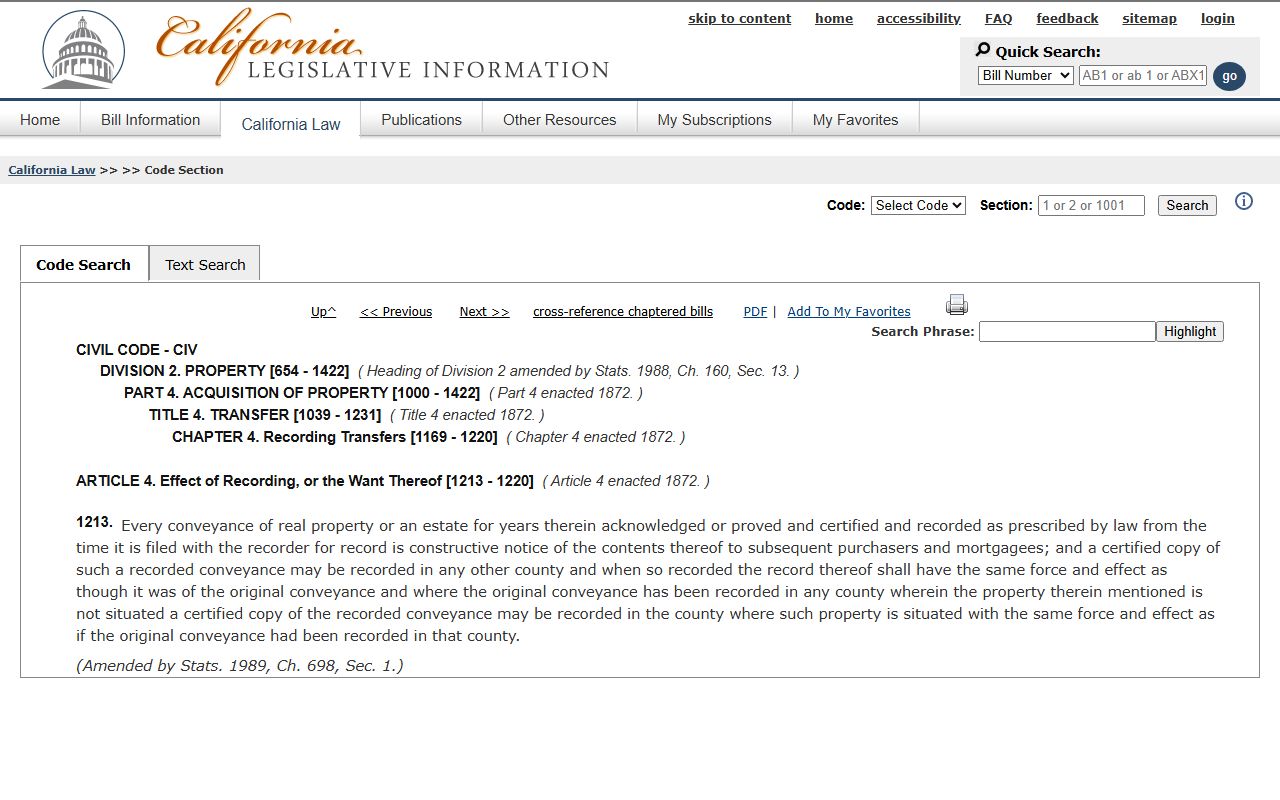
A grant deed transfers ownership from one person to another. This is the most common deed type in California. When you buy a home, the seller signs a grant deed. That deed gets recorded at the county recorder office. Recording gives public notice of the new owner. Under California Civil Code section 1213, a recorded deed has priority over later claims.
Trust deeds work like mortgages in California. When you borrow money to buy a house, you sign a trust deed. The lender holds the deed as security. If you pay off the loan, the lender records a reconveyance. That reconveyance removes the lien from your property. Most home loans in California use trust deeds instead of mortgages. They let lenders foreclose faster if you stop paying.
Liens show debts tied to property. A mechanic lien comes from a contractor who did work but did not get paid. A tax lien comes from unpaid taxes. The IRS can file a federal tax lien on your property. The state can file a lien for unpaid income tax. These liens attach to the title and must be paid before you can sell. Liens are public records. Anyone can see them by searching the recorder index.
Property tax records include bills, payments, and delinquent lists. Tax collectors publish this data every year. The assessed value comes from the county assessor. That value gets multiplied by the tax rate to find your bill. California uses Proposition 13 rules to limit how much your assessment can go up each year. When property changes hands, the assessor resets the value to the sale price.
Here are common property records you can find in California:
- Grant deeds and quitclaim deeds
- Deeds of trust and reconveyances
- Liens from contractors, banks, or tax agencies
- Property tax bills and payment history
- Assessment rolls and appeals
- Parcel maps and legal descriptions
- Notices of default and trustee sales
Court records may also affect property. A divorce decree might split ownership. A probate order could transfer land to heirs. These court papers often get recorded at the county recorder after the judge signs them. That way, the property title shows the new owner.
California Laws on Property Records
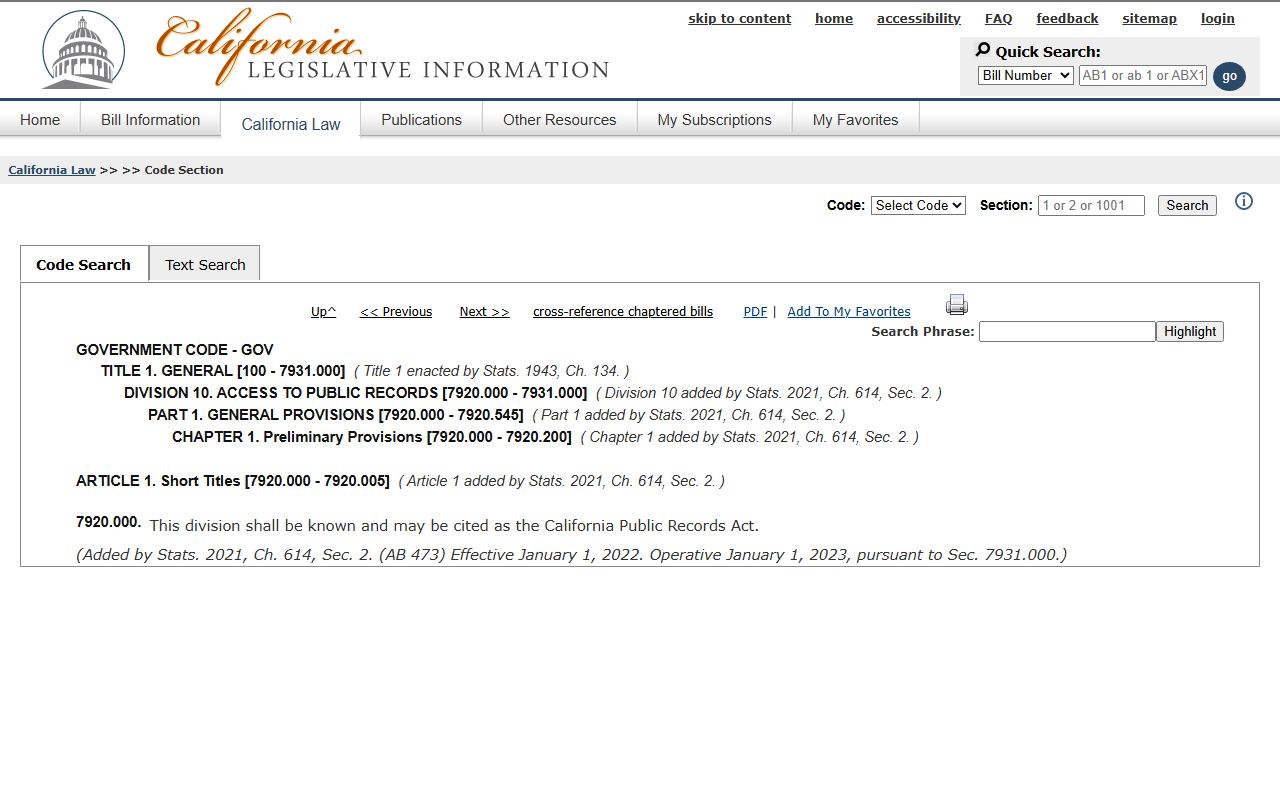
The California Public Records Act gives you the right to see most government files. This law moved from Government Code section 6250 to section 7920 in 2021. The new code number is part of a recodification project. The law still says the same thing. Public agencies must share their records unless a specific rule blocks access. Property records are public under this law. Visit leginfo.legislature.ca.gov to read the full text of Government Code section 7920.
Civil Code section 1213 requires that all property conveyances be recorded to give notice. A deed that is not recorded can still be valid between the buyer and seller. But it does not protect the buyer against later claims. If someone else buys the same property and records their deed first, they win. This is called the race-notice rule. California follows this rule under Civil Code section 1214. The law protects buyers who record without knowing about earlier unrecorded deeds.
Government Code section 27320 tells county recorders what to do when someone brings in a document. The recorder must stamp the date and time on each paper. This timestamp sets priority if two people try to record the same type of claim. The recorder also checks that the paper meets format rules. Documents must fit on standard paper size. They need margins and clear text. If a document does not meet the rules, the recorder can refuse it.
Recording fees are set by state law. Government Code section 27361 says the base fee is fifteen dollars for the first page and four dollars for each added page. Counties can add other fees on top of this. Senate Bill 2 added a seventy-five dollar fee per document to fund affordable housing. This fee applies to most real estate transfers. Some counties also charge a fraud prevention fee and a monument preservation fee.
Revenue and Taxation Code section 60 defines what counts as a change in ownership for property tax purposes. A change in ownership triggers a reassessment. Under Proposition 13, property gets reassessed to market value when it sells. The new value becomes the base for future tax bills. Certain transfers do not cause reassessment, such as gifts between parents and children or transfers to a trust where the same person keeps control.
Assembly Bill 1785 took effect in December 2024. This law stops counties from offering APN searches online. The goal is to make it harder for scammers to target property owners. County recorder websites can no longer let you search by parcel number over the internet. You can still do APN searches at public kiosks in county offices. This law affects San Diego, Kern, Ventura, and other counties that used to offer this feature.
Property Record Fees Across California
Recording a deed costs about ninety to one hundred dollars in most counties. The base state fee is fifteen dollars for the first page. Each extra page adds four dollars. Senate Bill 2 adds seventy-five dollars to fund housing programs. Many counties tack on a real estate fraud fee of three to five dollars. Some add a monument preservation fee of ten dollars. These fees add up fast.
Documentary transfer tax applies when property sells. The rate is fifty-five cents per five hundred dollars of value. If you sell a home for five hundred thousand, the tax is five hundred fifty dollars. Some cities add their own transfer tax on top of the county rate. San Francisco has a tiered system that goes up to thirty dollars per five hundred dollars for very high-value sales. This makes transfer taxes a big cost in expensive markets.
Copy fees are much less than recording fees. Most counties charge one to three dollars per page for plain copies. Certified copies cost a bit more. Los Angeles County charges five dollars for the first page and three dollars for each extra page of plain copies. Certification adds another dollar. Some counties let you view records for free online but charge if you want an official copy.
Property tax bills depend on assessed value and local tax rates. The base rate under Proposition 13 is one percent of assessed value. Local bonds and fees can push the total rate higher. Some areas pay less than one and a half percent total. Others pay close to two percent when you add all the special assessments. Tax collectors charge penalties if you pay late. The first installment is due by December 10 each year. The second is due by April 10. A ten percent penalty hits on the day after each due date.
Note: Fees change from time to time as the state or county updates their rates, so check with the local office before you mail payment.
Getting Copies of Property Records
Visit the county recorder office to get deed copies in person. Bring the document number or the names of the people on the deed. Staff can search the index and print what you need. Most offices charge per page. Certified copies take a few more minutes because the clerk stamps and signs them. In-person service is fast. You usually walk out the same day with your copies.
Many counties let you order copies by mail. Send a letter with the document number, the names on the deed, or the property address. Include a check for the copy fee. Add extra for certification if you need it. The county will search their files and mail back the copies. This can take one to two weeks. Some offices move faster than others.
Online systems let you view and download images in some counties. San Diego lets you see document images on their website. You can save or print them at home for free. Other counties only show index data online. You still need to visit or call to get the actual image. A few counties offer paid online services where you can buy and download documents with a credit card.
Property tax data is easier to find online than deeds. Almost every county posts current and past tax bills on their website. You can search by address or APN. The system shows what you owe and what you paid. You can also pay your bill online with eCheck or credit card. Most counties charge a fee if you use a card. ECheck is often free.
How Counties Handle Property Records
Large counties like Los Angeles, San Diego, and Orange have multiple branch offices. You can visit the branch near you instead of going to the main courthouse. Los Angeles has offices in Norwalk, Beverly Hills, Lancaster, and Van Nuys. San Diego has locations in the city, Chula Vista, San Marcos, and Santee. This makes it easier for people in far parts of big counties to get service.
Small rural counties may have just one office at the county seat. Alpine County is the smallest with only a few thousand people. Their assessor-recorder office is in Markleeville. Hours are limited. You need to plan ahead if you want to visit. They do not offer e-recording. Everything must be brought in by hand or mailed. But the staff can often help you right away since they have fewer requests than big counties.
Some counties combine roles into one office. A single elected official might serve as assessor, recorder, and clerk all at once. This is common in less populated areas. Other counties split these jobs. In Los Angeles, the Registrar-Recorder is separate from the Assessor and the Treasurer-Tax Collector. Each office has its own staff and location. You may need to visit more than one place to get all the info you need.
Third-party software varies by county. Tyler Technologies provides RecorderWorks to counties like Amador, Siskiyou, and Stanislaus. ParcelQuest is used by several small counties for assessor searches. Public Access Now handles tax systems in Riverside and Solano. If you learn one system, you may find the same layout in another county that uses the same vendor.
Browse California Property Records by Location
Each county manages its own property records through the county recorder and assessor offices. Select a county below for local contact details, office hours, online search portals, and fee schedules specific to that area.
View All 58 California Counties
Major cities over 100,000 population are served by their county recorder and assessor. Property records for city residents are maintained at the county level. Choose a city to find which county handles their property records and view local resources.