
Access San Francisco Property Records
San Francisco property records are kept by the Office of the Assessor-Recorder at City Hall. San Francisco is both a city and a county, so all property records are in one place. The city has about 875,000 people. All deeds, liens, and tax records for homes and land in San Francisco go through this office. Recording services are in Room 190 at City Hall. Hours are eight in the morning to five in the afternoon Monday through Friday. Recording hours end at four. Most records are online at the city website. You can search by name, address, or document number. The system has images back to 1996. Older records need an in-person visit to City Hall or a special request to the archives.
San Francisco Quick Facts
San Francisco Assessor-Recorder Office
The Assessor-Recorder office at City Hall keeps all property records for San Francisco. Every deed, lien, and assessment is filed here. When someone buys or sells property in the city, the deed goes to Room 190 at City Hall. The staff stamp it with a date and time. That stamp sets priority if more than one person claims the same property. The file becomes part of the public record. Anyone can search it later.
City Hall is at 1 Dr. Carlton B Goodlett Place in San Francisco. The building is near Civic Center BART station. The Assessor-Recorder office is in Room 190 on the first floor. Office hours are eight to five Monday through Friday. Recording hours are eight to four. Call the office if you have questions before you visit. Bring photo ID when you go to the counter.

| Office | San Francisco Office of the Assessor-Recorder |
|---|---|
| Address | City Hall, Room 190 1 Dr. Carlton B Goodlett Place San Francisco, CA 94102 |
| Hours | M-F, 8:00 AM to 5:00 PM Recording: 8:00 AM to 4:00 PM |
| Website | recorder.sfgov.org |
The Assessor-Recorder is an elected official. Joaquín Torres serves as Assessor-Recorder. The office handles property values, tax rolls, and recording of deeds and liens. Staff can help you search for records, file new documents, or get certified copies of recorded papers. Most services are available at the counter during office hours.
How to Search San Francisco Property Records Online
Go to recorder.sfgov.org to search property records. The system has documents from 1996 to the present with images. You can search by name, document type, or date. Type the info into the search box and hit search. The system will show a list of matching records. Click on one to see more details and view the document image.
If you need records from before 1996, you must visit City Hall Room 190 or request them by mail. Older records are on microfilm or in paper files. Staff can help you find what you need. There may be a fee for copies of older documents. Call ahead to ask what you need to bring if you want records from the 1990s or earlier.
For property tax info, visit the San Francisco Treasurer and Tax Collector at sftreasurer.org. The office is in City Hall Room 140. Hours are eight to five Monday through Friday. You can search for your tax bill by address or parcel number. The site shows what you owe, when it is due, and your payment history. You can pay online with eCheck for free or with a credit card for a fee. The fee is two point two five percent with a minimum of two dollars.
San Francisco has a tiered transfer tax. The rate goes up as the sale price goes up. It starts at two dollars and fifty cents per five hundred dollars for lower value sales. It goes up to thirty dollars per five hundred dollars for sales over twenty-five million. This makes transfer taxes a big cost when you sell high-value property in San Francisco. The tax is due when you record the deed.
Property Documents in San Francisco
Grant deeds transfer ownership. When someone sells a home in San Francisco, they sign a grant deed. The buyer takes that deed to the Assessor-Recorder office. The staff file it and stamp it with a date and time. That deed becomes part of the public record. Anyone can search for it later to see who owns the property.
Trust deeds secure loans on property. If you borrow money to buy a house in San Francisco, you sign a trust deed. The lender files it at City Hall. The deed gives the lender a claim on your property until you pay off the loan. When you finish paying, the lender records a reconveyance to remove the lien from your title.
Liens attach to property when someone owes money. A mechanic lien comes from a contractor who did work but did not get paid. A tax lien comes from unpaid taxes. The IRS can file a federal tax lien. The state can file one for unpaid income tax. All these liens show up in the public record for your San Francisco property. You must pay or settle the lien before you can sell with clear title.
Common property records in San Francisco:
- Grant deeds and quitclaim deeds
- Deeds of trust and reconveyances
- Mechanic liens and judgment liens
- Tax liens from IRS, state, or city
- Notices of default and trustee sales
- Property tax bills and payment history
Note: San Francisco has some of the highest property values in California, so transfer taxes and recording costs can be high compared to other cities.
Property Taxes in San Francisco
Property taxes in San Francisco are based on the assessed value of your home or land. The Assessor-Recorder sets that value each year. Under Proposition 13, the assessed value can go up no more than two percent per year unless the property sells. When you buy a home, the assessor resets the value to what you paid. That new value becomes the base for your tax bill.
Tax bills go out twice a year. The first installment is due November 1 and late on December 10. The second is due February 1 and late on April 10. A ten percent penalty hits if you pay late. If you do not pay by June 30, the account goes to the defaulted roll. More fees and monthly interest apply after that.
Pay your San Francisco property taxes at sftreasurer.org or visit City Hall Room 140. You can pay with eCheck for free. Credit and debit cards have a two point two five percent fee with a two dollar minimum. You can also mail a check to the Treasurer and Tax Collector at City Hall. Include your parcel number on your check so they can post the payment to the right account.

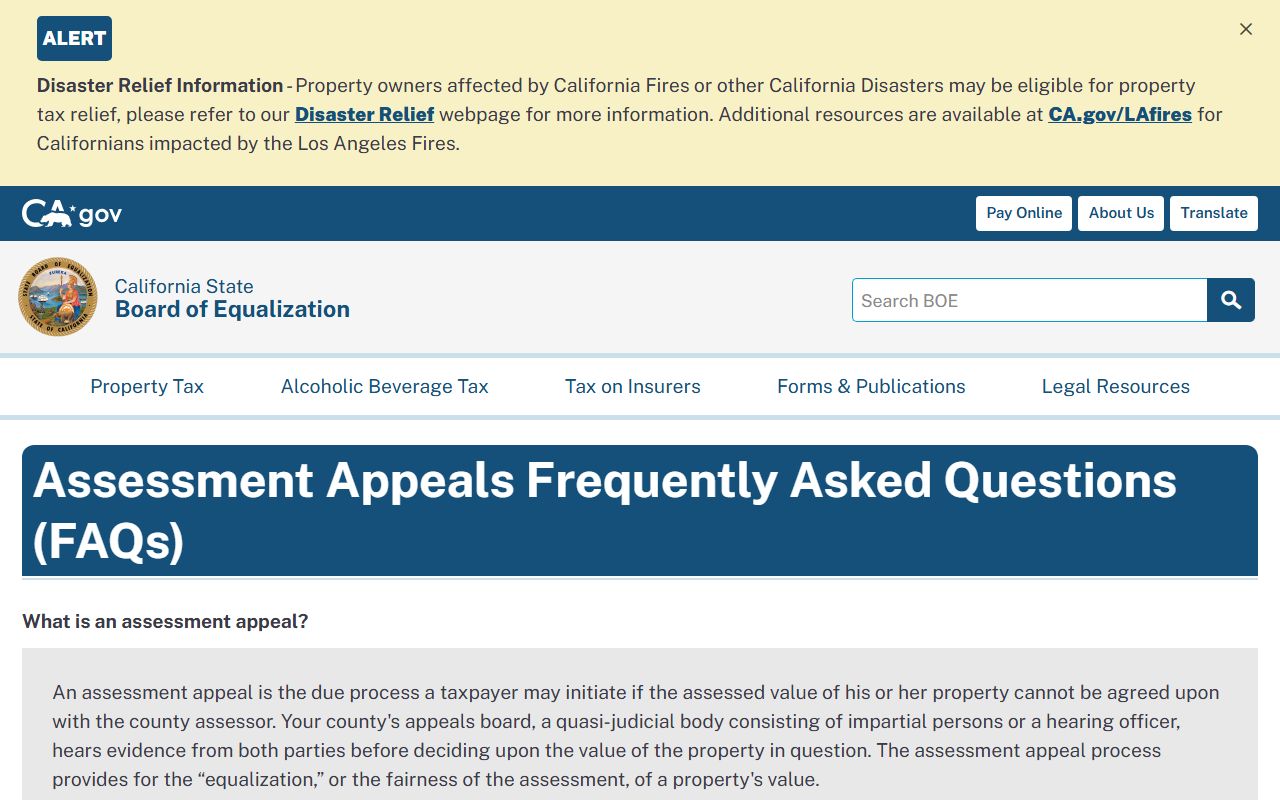
If you think your property value is too high, file an appeal with the city Assessment Appeals Board. The filing period for regular appeals runs from July 2 to September 15 each year. You need to show why the assessed value is wrong. The board will schedule a hearing and decide if your value should be lowered. Visit boe.ca.gov/proptaxes/faqs/assessappeals.htm for more info on the appeals process.
Fees for Recording in San Francisco
Recording a deed in San Francisco costs about one hundred dollars or more. The base fee is fourteen dollars for the first page or seventeen dollars if the real estate fraud fee applies. Senate Bill 2 adds seventy-five dollars to most real estate transfers. The maximum SB2 fee is two hundred twenty-five dollars per transaction. Each extra page costs three dollars. There is also a ten dollar monument preservation fund fee on many documents.
San Francisco has a tiered documentary transfer tax. The rate depends on the sale price. For sales under two hundred fifty thousand dollars, the rate is two dollars and fifty cents per five hundred dollars. The rate goes up as the price goes up. For sales over twenty-five million dollars, the rate is thirty dollars per five hundred dollars. This is one of the highest transfer tax rates in California. The tax is due when you record the deed at City Hall.
Copy fees are much less than recording fees. Check the Assessor-Recorder website for current copy fees. If you order copies by mail, send a check for the right amount plus a self-addressed stamped envelope. Processing takes one to two weeks by mail. In-person requests are usually same-day if you come during office hours in Room 190.
Note: Fee schedules can change, so check the city website or call before you file or order copies to confirm current rates.
San Francisco Planning and Building
The City of San Francisco Planning Department handles zoning and land use permits. These records are separate from property ownership records. If you want to see what you can build on a lot or check zoning for a property, contact the Planning Department. Their office is at City Hall. They can tell you the zone, allowed uses, and any conditions on the land.
The Department of Building Inspection handles building permits and code enforcement. If you want to see what permits were issued for a home or check building history, contact the DBI. They track all permits for new construction, additions, and repairs. You can request a permit history on any property. This helps when you are buying a home and want to see if work was done with permits.
California Property Recording Laws
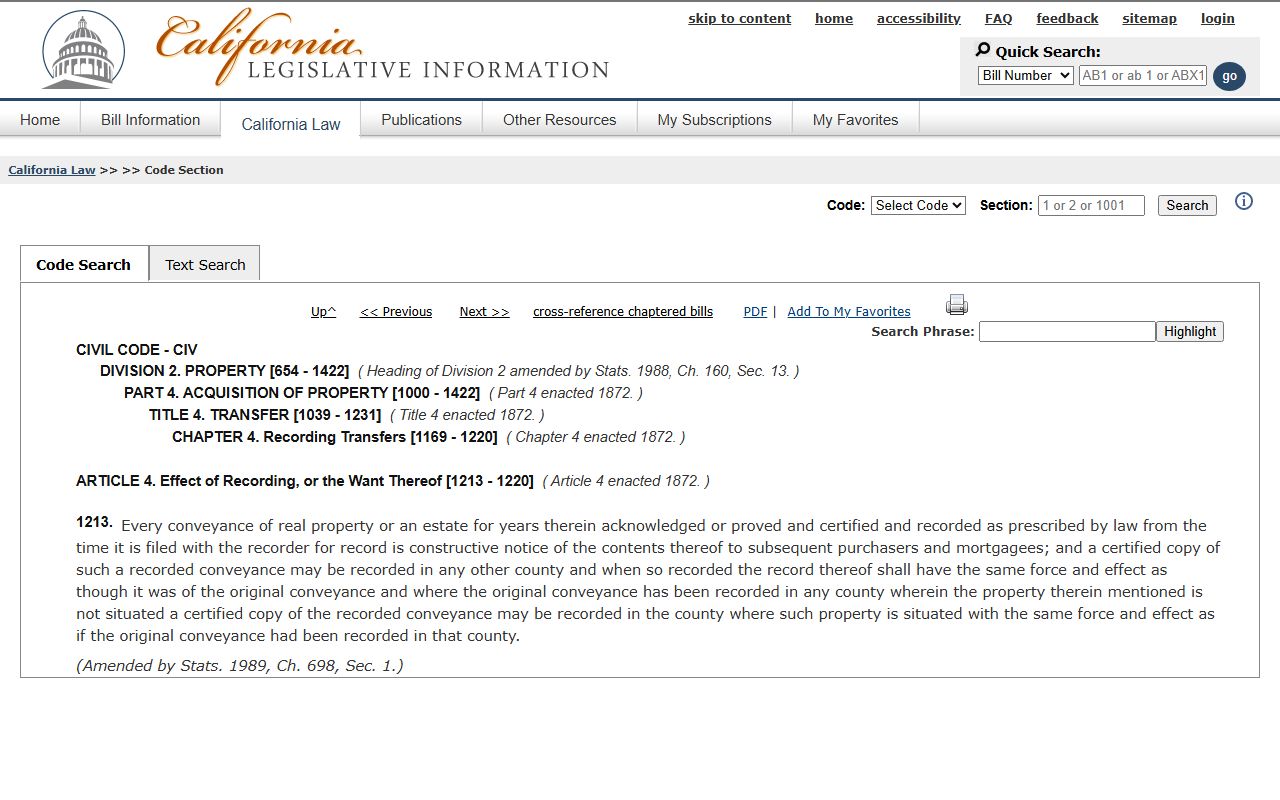
California Civil Code section 1213 says that recorded documents give public notice. If you record your deed at the Assessor-Recorder office, later buyers cannot claim they did not know about it. The law protects people who record first. Visit leginfo.legislature.ca.gov to read the full text of Civil Code 1213.
Civil Code section 1214 sets the race-notice rule. If two people buy the same property, the one who records first wins. This only works if the second buyer did not know about the first sale. Recording your deed right after you buy protects your claim on property in San Francisco.
Government Code section 27320 tells the Assessor-Recorder what to do when you file a document. The office must stamp the date and time on it. That timestamp shows when your document was filed. The office checks that your paper meets format rules. It must be on standard size paper with clear text and proper margins. If it does not meet the rules, the office can reject it and send it back to you.
Revenue and Taxation Code section 60 defines change in ownership for tax purposes. When you buy property in San Francisco, the assessor resets the value to what you paid. Some transfers do not trigger reassessment, like gifts between parents and children or moves into certain types of trusts where the same person keeps control.
Nearby Bay Area Cities
Other Bay Area cities with property records include Oakland, San Jose, Fremont, Hayward, Berkeley, Sunnyvale, Santa Clara, and Concord. Each of these cities is in a different county. Oakland and Berkeley are in Alameda County. San Jose, Sunnyvale, and Santa Clara are in Santa Clara County. You must search each county separately to find property records for cities in that county. San Francisco is unique because it is both a city and a county, so all records are in one place at City Hall.
San Francisco County Property Records
San Francisco is a combined city and county. The Assessor-Recorder office handles all property recording and assessment for the city. For more details on services, office hours, online portals, and fee schedules, visit the San Francisco County property records page.