
Berkeley Property Records
Berkeley property records are managed by Alameda County. The county clerk-recorder holds all deeds, trust deeds, and liens for properties in the city. If you want to search for a property deed or check on ownership info, you use Alameda County resources. Tax records and assessed values come from the county assessor. The city of Berkeley does not keep property ownership files. All of that goes through the county. You can access many of these records online or visit the county office in Oakland. Some documents require a visit to get certified copies or older files that are not yet digitized.
Berkeley Property Data
Alameda County Clerk-Recorder Office
All Berkeley property documents are filed with the Alameda County Clerk-Recorder. The office is at 1106 Madison Street in Oakland. They keep files for the entire county, including Berkeley, Oakland, Fremont, Hayward, and other cities. When you buy or sell a home in Berkeley, the deed gets recorded here. When a loan is paid off, the lender files a reconveyance here. The office is open on weekdays during business hours.
You can call the recorder at (510) 272-6362 or toll free at 1-888-280-7708. They handle questions about recording fees, document types, and how to get copies. If you need a certified copy of a deed, you can request it in person, by mail, or sometimes online. Plain copies cost $3.50 per page. Certified copies are $4.50 for the first page and a bit less for extra pages.
Alameda County has records online going back to 1969. You can search and view images of most documents from that time forward. Older records are on microfilm or in bound books. If you need something from before 1969, you may need to visit the office and ask staff to pull the film or book. Some very old records have been digitized, but not all.
The recorder charges fees based on state law. The base fee is $15 for the first page of a standard document. Each extra page costs $3. Some filings trigger extra fees like the SB 2 building homes fee or the fraud prevention fee. The total can vary depending on what type of document you are recording. If you are not sure what the fee will be, call ahead or check the county website for a fee schedule.
How to Search Berkeley Property Records Online
Alameda County provides a free online search tool at acgov.org/auditor/clerk/opr/. This portal lets you search by name, document type, or recording date. You can view document images for free. If you want to print or save a copy, you may need to pay a small fee or just take a screenshot.
The search interface is simple. Type in the name of the person who bought or sold the property. The system shows a list of all documents that match. Click on a result to see details like the recording date, document type, and number of pages. Most results have a link to view the full document as a PDF or image file.
Some documents are redacted before they go online. Social security numbers and driver license numbers get blacked out. You may see a box or line covering these numbers. This is done to protect people from identity theft. If you need the full unredacted version for a legal reason, you may be able to request it in person with proof of your need.
The county assessor has a separate system for property values and tax data. Visit propinfo.acgov.org to search by address or parcel number. This site shows the current assessed value, the last sale price, and the tax bill amount. It does not show deeds or ownership history. For that, you use the recorder search.

If you are doing a title search or need a complete chain of ownership, you may want to hire a title company. They have access to more detailed databases and know how to trace ownership back through many years. For a simple check on who owns a property now, the free county tools work fine.
Property Tax Payment in Berkeley
Property taxes for Berkeley are collected by the Alameda County Treasurer-Tax Collector. You can view and pay your tax bill online at treasurer.acgov.org. The site lets you search by address or parcel number. Once you find your bill, you can pay with a bank account transfer for free or use a credit card for a small service fee.
Tax bills go out in October. The first half is due November 1 and late after December 10. The second half is due February 1 and late after April 10. A 10% penalty gets added right away if you are late. If taxes stay unpaid for five years, the county can sell the property at auction. The tax collector publishes a list of properties going to sale each year.
Some property owners qualify for exemptions that lower the tax bill. The homeowner exemption saves you about $70 a year. You file for it once and it stays in place as long as you live in the home. Other exemptions exist for seniors, disabled veterans, and low-income homeowners. Ask the assessor office for forms and rules.
If you think your property value is set too high, you can file an assessment appeal. The deadline is usually in the fall. You fill out a form and explain why you think the value is wrong. A hearing officer or appeals board reviews your case. If they agree, they lower your value and your tax bill drops. Many people hire appraisers or attorneys to help with appeals, but you can do it yourself.
Berkeley Permit Service Center
The City of Berkeley Permit Service Center handles building permits and planning records. Their website is at cityofberkeley.info/permitservicecenter/. You can call (510) 981-7500 for help with permits or questions about construction rules. The city runs an online portal at permits.cityofberkeley.info where you can apply for permits and track your application status.
Building permits are required for most construction work in Berkeley. This includes new buildings, additions, major repairs, and some electrical or plumbing work. Small jobs like painting or minor fixes may not need a permit. If you are not sure, call the permit center and describe the work. They can tell you if a permit is needed.
Zoning and land use records are kept by the city planning department. These files show what you can build on a piece of land. Some areas are zoned for single-family homes only. Others allow apartments or businesses. Before you buy land or start a project, check the zoning. The city can tell you what is allowed and what is not.
Permit records show what construction has been done on a property over the years. If a past owner added a room or changed the plumbing, there should be a permit on file. Unpermitted work can cause problems when you try to sell a home or get insurance. Buyers often check permit history before they close a deal. You can request permit records for any address from the city.
Types of Property Documents
Grant deeds are used to transfer ownership in California. The seller signs a grant deed to give the property to the buyer. This type of deed includes basic promises that the seller has not already sold the property and that there are no secret liens. It does not give a full guarantee of clear title, but it offers some protection.
A deed of trust is filed when you borrow money to buy a home. The lender holds this deed as security. If you do not pay the loan, the lender can foreclose. When you pay off the loan, the lender files a deed of reconveyance. This releases the lien and clears the public record. Both documents must be recorded with the county.
Liens attach to property when someone has a legal claim. A mechanic lien is filed by a contractor who did work and did not get paid. A tax lien comes from the IRS or state when taxes are owed. A judgment lien results from a court case. All these liens must be cleared before you can sell the property with a clean title. Title companies search for liens before a sale closes.
Who Can View Berkeley Property Records
Most property records in Alameda County are public. Anyone can search them. You do not need to own the property or have a legal interest. California law says these files are open so people can check ownership and liens before they buy or lend money. This protects buyers and creditors from fraud.
Some personal details are kept private. Social security numbers and driver license numbers are redacted from public documents. You will see them blacked out or covered with a box. Financial account numbers are also hidden in many cases. The county does this to prevent identity theft and fraud.
Certain people can request extra privacy. Victims of domestic violence, judges, and law enforcement officers can use a confidential address program. If this program is active, the property record shows a PO box or alternate address instead of the real home address. The true address is still on file but only certain officials can see it.
California Recording Laws
California Civil Code Section 1213 requires that any deed or document recorded with the county gives legal notice to everyone. Once a document is on file, future buyers are assumed to know about it. This is called constructive notice. It protects people who record their documents first and rely on the public record.
Civil Code Section 1214 sets the rule for priority. If two people claim the same property, the one who recorded first wins, as long as they had no knowledge of the other claim. This is a race-notice system. You need to record your deed as soon as possible to protect your interest. That is why title companies rush to file deeds right after a sale closes.
Government Code Section 27320 tells the county recorder to mark each document with the exact time it was received. The date, hour, and minute go on every filing. This timestamp decides the order if two documents come in on the same day. Even a few minutes can matter in a legal dispute over who recorded first.
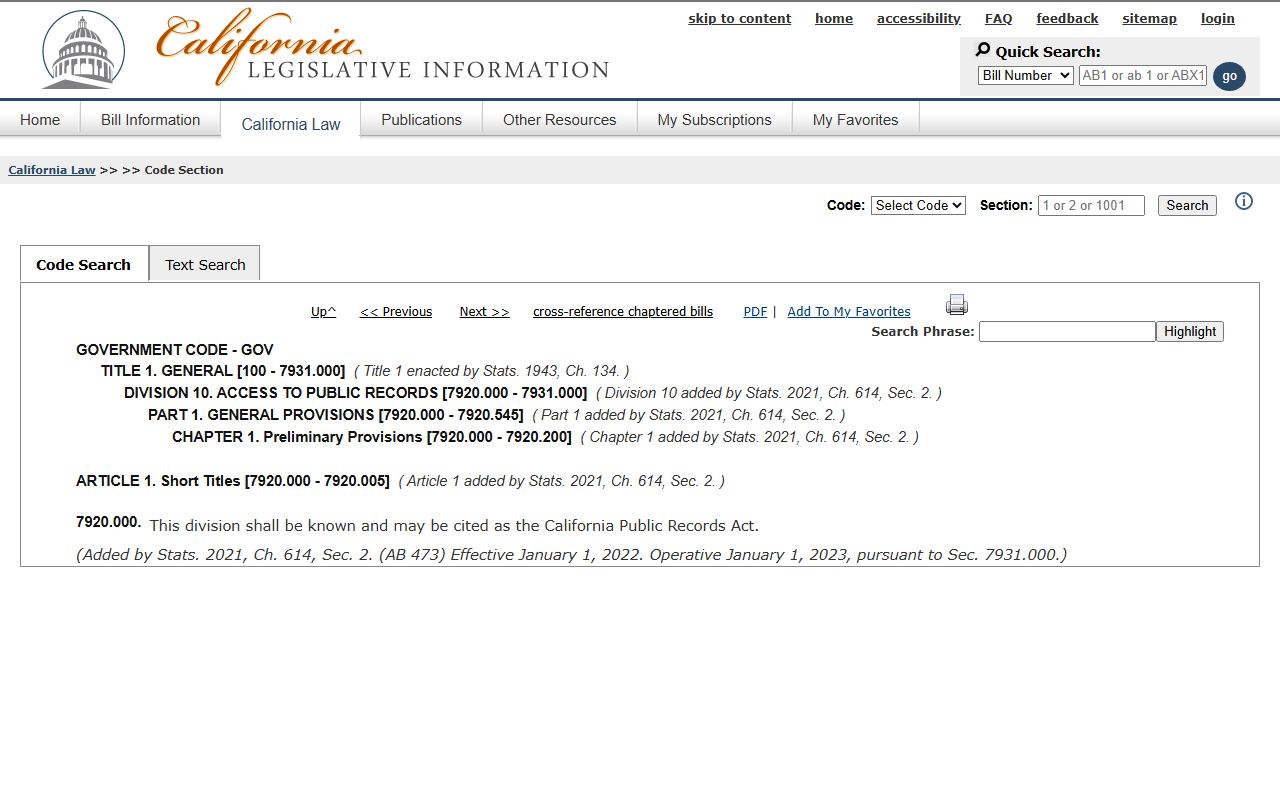
The California Public Records Act is found at Government Code Section 7920.000 and following sections. This law gives the public the right to see most government records, including property files. Agencies must respond to records requests within ten days. If they need more time, they must tell you why. Fees for copies must be reasonable and cannot be set so high that they block public access.
Other Bay Area Cities
Other large Alameda County cities include Oakland, Fremont, and Hayward. All use the same county recorder and assessor offices. Property records for any of these cities are filed at the Alameda County offices in Oakland. The city you live in does not change where your deed gets recorded. It all goes to the county level.
Other Bay Area cities in different counties include San Jose in Santa Clara County, San Francisco which is its own city and county, and Concord in Contra Costa County. Each has its own county recorder and assessor. If you need records for those cities, go to their county offices, not to Alameda County.