
Plumas County Property Records
Property records in Plumas County are maintained by the County Recorder and Assessor located in Quincy. These offices keep deeds, liens, assessment data, and tax bills for all real estate throughout Plumas County. You can search files online or visit the offices to get certified copies. The county serves about 19,000 people spread across mountain communities in the northern Sierra Nevada. Plumas County is one of California's smaller counties by population but covers a large area with diverse property types from forest land to small town homes.
Plumas County Quick Facts
County Recorder in Plumas County
The Plumas County Recorder files all property documents including deeds, trust deeds, and liens. This office is in Quincy at the county seat. When you buy land or take out a loan on property in Plumas County, those papers must be recorded here. The recorder stamps each document with the date and time it arrives. That timestamp sets priority if two claims conflict.
Recording fees follow California state law with a base of fifteen dollars for the first page and three dollars for each extra page. The SB2 housing fee of seventy-five dollars applies to most real estate sales. Other fees like fraud prevention and monument preservation may also be added. You can pay by cash, check, or card at the counter. For mail requests, send a check made out to Plumas County Recorder.
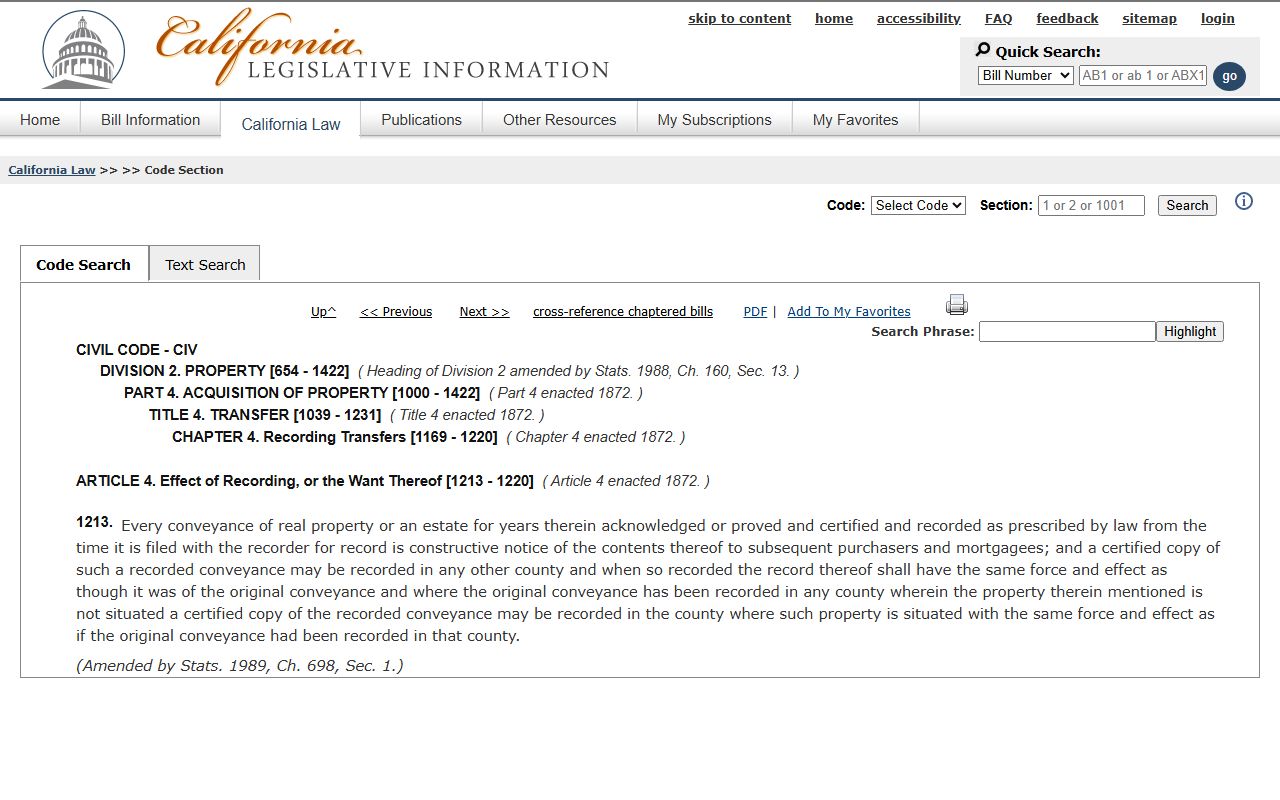
You can search recorded documents online through the Plumas County website at plumascounty.us. The search tool lets you look up records by name, date, or document type. Images are available for recent filings. Older records may require a visit to the office in Quincy or a phone call to request copies.
| Location |
Plumas County Recorder 520 Main Street, Room 102 Quincy, CA 95971 |
|---|---|
| Contact |
Website: plumascounty.us Office Hours: Monday-Friday |
The recorder also handles fictitious business name filings. If you run a business under a name other than your own, you must file a DBA statement with the recorder. These filings are public and can be searched along with property records.
Plumas County Assessor Office
The County Assessor values all land and buildings in Plumas County. Each year the assessor sets values that determine your property tax bill. The office keeps maps showing parcel lines and numbers. Staff can help you find your APN or look up assessment data by address. The assessor also processes claims for property tax exemptions such as the homeowner exemption.
Under Proposition 13, most properties in Plumas County can only increase in value by two percent per year for tax purposes. When a property sells, the assessor resets the value to the purchase price. That becomes the new base year value. Some transfers like gifts between parents and children do not trigger reassessment. Check with the assessor office to see if your transfer qualifies for an exemption.
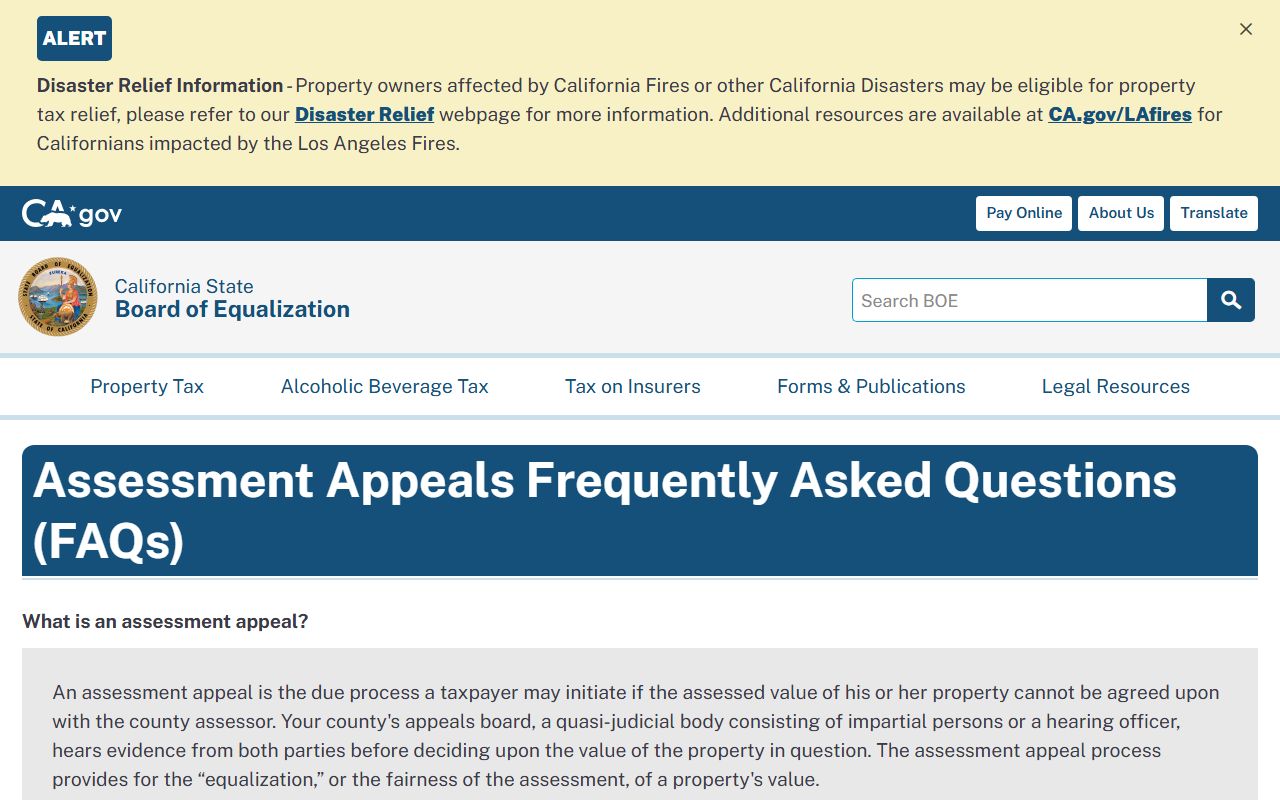
If you disagree with your property value, you can file an appeal. The deadline for regular appeals is from July 2 to September 15 in most years. For supplemental assessments issued after a purchase, you have sixty days from the notice date. The Plumas County Assessment Appeals Board reviews these cases and can lower your value if they find the assessor made an error. Information on filing appeals is available at boe.ca.gov/proptaxes/faqs/assessappeals.htm, the California Board of Equalization website.
The assessor website offers online search tools. You can look up a parcel by owner name, address, or APN. The system shows the assessed value, tax rate, and payment status. Maps are also available showing where your property sits and how it relates to nearby parcels.
Property Taxes in Plumas County
Property tax bills in Plumas County are sent out by the Tax Collector each fall. Taxes are due in two installments. First half is due November 1 and late after December 10. Second half is due February 1 and late after April 10. A ten percent penalty applies if you miss the deadline. After five years of non-payment, the county can sell the property at a tax auction to recover the debt.
You can pay property taxes online, by mail, or in person at the county office in Quincy. Online payments can be made by eCheck for free or by credit card with a service fee. The fee is usually around two to three percent of the amount due. If you pay by mail, send your check to the tax collector and include your parcel number on the memo line.
Many people pay through an escrow account managed by their lender. The lender collects a portion of the tax each month with your mortgage payment. When the bill comes due, the lender pays it on your behalf. Even if you use escrow, you should check with the Plumas County Tax Collector to confirm payment was made on time. You remain responsible if the lender fails to pay.
If you cannot pay your full tax bill, the county may offer a payment plan. Contact the tax collector office to ask about options. Some counties work with property owners who are facing hardship. But interest and penalties will still accrue until the balance is paid in full.
Searching Property Records Online
Most property records for Plumas County can be accessed from home through county websites. The recorder and assessor each have their own search systems. The recorder site shows deeds and liens. The assessor site shows values and tax bills. Both are free to use and available to anyone.
To search by name, use the recorder search tool. Enter the last name of the owner or party you want to find. The system returns a list of all documents that match. Click on a record to see details or view an image if available. Some older documents may not have images online. For those, you need to call or visit the office in Quincy to get a copy.
Searching by address works well on the assessor site. Type in the street number and name. The system finds the parcel and shows current value, tax amount, and owner info. You can also search by parcel number if you know the APN. Each parcel has a unique number that stays with the land even when it sells. The APN helps avoid confusion when multiple properties have similar addresses.
Note that some counties have limited APN searches due to Assembly Bill 1785. This law aims to reduce property scams by restricting online access to owner data. If you cannot search by parcel number on the website, you may still be able to do that search at a public kiosk in the county office.
Other Resources for Plumas County Property
The County Clerk handles vital records such as birth, death, and marriage certificates. These records can relate to property transfers when someone dies or gets divorced. The clerk office is located near the recorder in Quincy. You can request copies of vital records in person or by mail.
The Planning and Building Department reviews permits for construction projects in Plumas County. If you want to build a new structure or remodel an existing one, you need a permit. The department checks that your plans follow local zoning rules and building codes. Once the work is done and inspected, the permit file becomes part of the public record. These files can show what changes have been made to a property over time.
Title companies use all these records when you buy or sell property. They search deeds, liens, tax data, and court files to make sure the title is clear. Most lenders require title insurance before they will approve a loan. The title company issues a policy that protects you if someone later claims an interest in the property. This search process covers many years of recorded documents in Plumas County.
Cities and Communities in Plumas County
Plumas County has no incorporated cities over 100,000 population. The largest communities include Quincy, Portola, and Chester. All property recording and assessment functions are handled at the county level in Quincy. Local communities may have planning or zoning offices but not separate recorder or assessor offices.
For deeds, liens, or tax records anywhere in Plumas County, contact the county recorder and assessor in Quincy. City halls can help with building permits and local regulations but not property title documents.
Nearby Counties
Plumas County is surrounded by several other California counties. Each has its own recorder and assessor office. If you need records from a neighboring county, contact that county directly. Here are the nearby counties:
- Lassen County (north and east of Plumas County)
- Sierra County (south of Plumas County)
- Butte County (west of Plumas County)
- Tehama County (northwest of Plumas County)
- Shasta County (northwest corner)
County boundaries can split large parcels. If you own land that crosses a county line, you may need to check records in both counties. Each county maintains its own files and does not share data with neighboring counties.